Your septic tank is doing a quiet job every day. Solids settle to the bottom, grease and scum float to the top, and the liquid in the middle flows out to the drain field. Over time the solids build up. Pumping removes them before they can cause trouble.
It's one of the least exciting home maintenance jobs, and one of the most important. A tank that gets pumped on time protects the most expensive part of your system: the drain field.
Why septic pumping matters in Kannapolis
Many homes on the edges of Kannapolis and out in the county sit on red clay. Red clay drains slowly, so the drain field has less room to absorb extra water or handle solids that slip out of an overfull tank. Once solids reach the field, they clog the soil. In tight clay, that damage can be permanent.
Pumping every few years keeps the sludge layer low and the field clear. It's a routine maintenance bill. Replacing a field is the most expensive septic job there is.
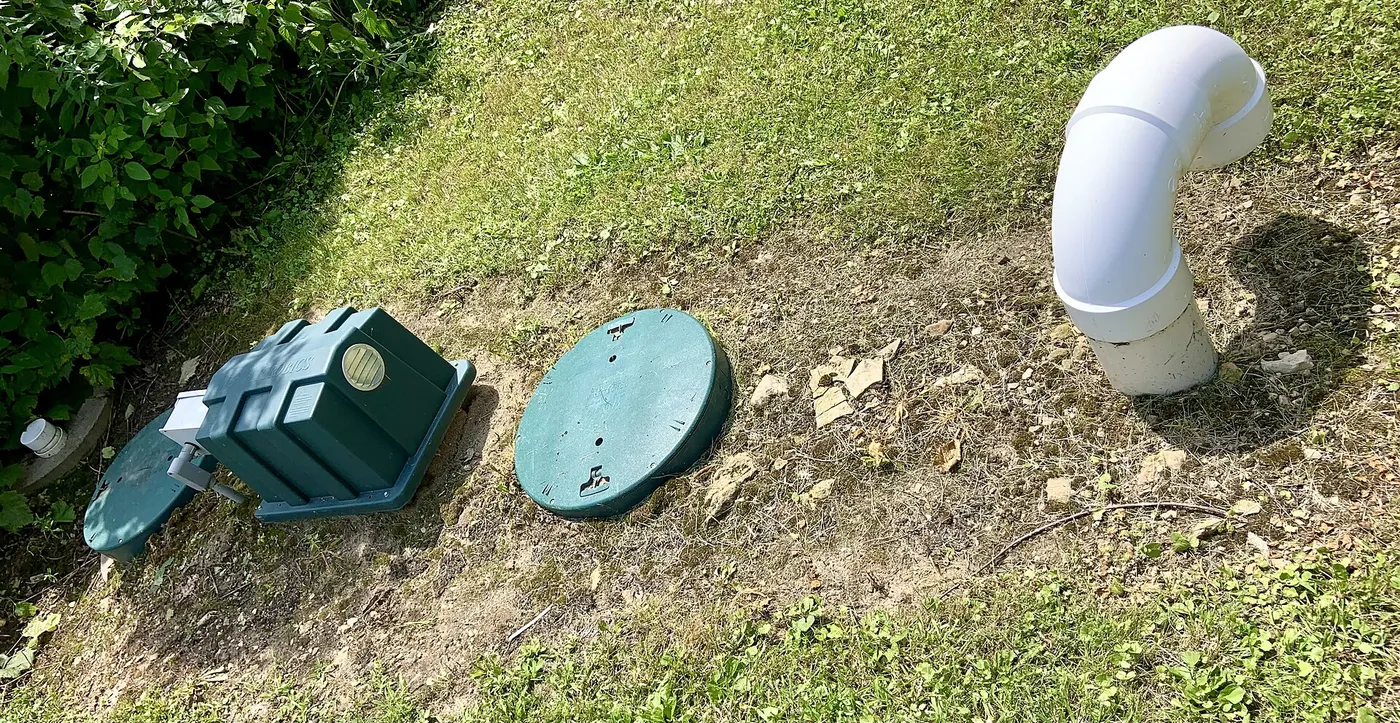
Signs your tank needs pumping
- It's been more than three to five years, or you don't know when it was last done
- Drains are slow throughout the house
- Toilets gurgle or flush sluggishly
- You notice a sewage smell near the tank or in the yard
- Grass over the tank or field is soggy or unusually green
- You're buying or selling a home and want a clean starting point
If you're having an active backup, see our septic backup help page for what to do right now.
What happens during a pumping visit
Here's what to expect when the crew comes out:
- Find the tank. If you know where the lid is, great. If not, the technician locates it. Older homes often have lids buried under a few inches of soil.
- Open and check. The technician looks at the scum and sludge levels before pumping so they can tell you how full it was.
- Pump it out. The truck vacuums out the liquid, scum and sludge.
- Inspect the baffles. With the tank empty, the inlet and outlet baffles get checked. These keep solids from leaving the tank. A broken one is a common, fixable problem.
- Look for warning signs. Cracks, roots, water flowing back from the field, or a high water level can all point to bigger issues.
- Walk-through. The technician tells you what they saw and when you should plan the next pumping.
Most pumping visits take about one to two hours. If the crew has to dig to find the lid, it can take a bit longer.
How much septic pumping costs
What you pay for septic pumping in the Kannapolis area depends on tank size, how hard it is to reach the lid, whether digging is needed and how full the tank is. You should get a written quote before work starts. See our septic prices page for more detail.
How often should you pump?
Most homes need it every three to five years. Things that push you toward the shorter end:
- More people living in the home
- A smaller tank
- A garbage disposal
- Lots of laundry or long showers
- Slow-draining clay soil around the field
If you're not sure, the technician can suggest a schedule based on what they find in your tank.
What a good pumping crew won't do
A good crew won't tell you to pump more often than you need to. They won't skip the baffle check just to get to the next job. And if pumping reveals a bigger problem, they'll explain it in plain terms and give you a written quote for septic repairs rather than starting extra work without asking.
Helping your tank between pumpings
- Spread laundry across the week.
- Fix running toilets and dripping faucets.
- Keep wipes, grease, coffee grounds and paper towels out of the drains.
- Don't drive or park over the tank or field.
- Add a riser to the tank lid so future pumping is quicker and easier.
Planning to buy or sell? Pairing pumping with a septic inspection gives you a clear picture of the whole system.
Questions people ask
How long does septic pumping take?
Usually one to two hours once the crew is on site. If the lid is buried and they need to dig to find it, plan on a little longer. The technician should let you know on arrival if digging is needed.
Do I need to be home during pumping?
It helps, especially for the first visit, so you can show the technician where you think the tank is and hear what they found. If you can't be there, the crew can usually still do the work as long as they can reach the tank and you're reachable by phone.
Will pumping fix a backup?
If the backup is caused by a full tank, pumping often clears it right away. If the cause is a clog in the pipe, a failed pump or a saturated drain field, pumping is only part of the fix. A good technician will figure out which it is.
Can I use additives instead of pumping?
Additives don't remove the sludge that builds up in a tank. Only pumping does that. A healthy tank already has the bacteria it needs as long as you keep harsh chemicals and excess grease out of it.